
Moving with children: how to make a family move work
Moving house is one of the most significant upheavals a family can go through. For adults, it is a process that can be managed, planned and controlled to a reasonable degree. For children, it can feel entirely different: a disruption to friendships, routines and the only home they have known.
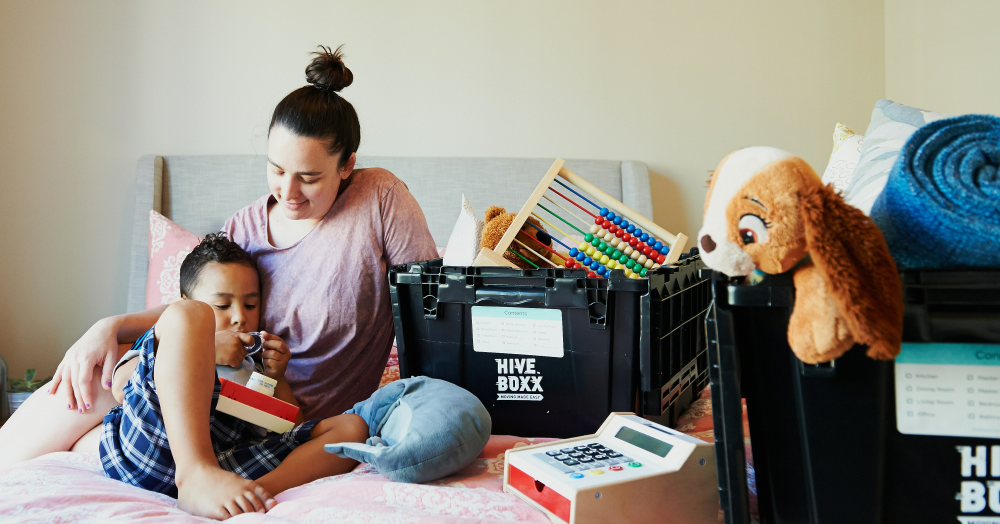
The good news is that with the right approach and a little forethought, a family move can be not just manageable but genuinely positive, and children who are brought along for the journey rather than presented with a fait accompli almost always adapt better and faster than their parents fear.
Start the conversation early
The instinct of many parents is to protect children from uncertainty by saying as little as possible until things are confirmed. In practice, children tend to sense when something significant is happening, and the gap between what they sense and what they are told can produce more anxiety than the news itself. Bringing children into the conversation early, at a level appropriate to their age, gives them time to process the change and ask the questions that are on their mind.
For younger children, the focus should be on the positive and the concrete: a new bedroom, a garden, a place to explore. For older children and teenagers, honesty about the reasons for the move and genuine acknowledgement of what they are leaving behind will land better than relentless positivity that feels dismissive of their feelings. The move is a big deal for them too, and they know it.
Think carefully about timing
If you have any flexibility over when you move, the school calendar is the most important factor to plan around. Moving mid-term is disruptive for children of any age, and particularly so for those in the middle of exam years. The summer holidays remain the most practical window for a family move: children have time to settle into a new home, explore a new area and adjust before the new school year begins.
If a mid-term move is unavoidable, speak to both the existing school and the new one well in advance. Most schools are experienced at supporting children through transitions, and a brief conversation with the class teacher or head of year can make a significant difference to how smoothly a child settles in. At the premium end, where independent schools are often part of the picture, registrations and waiting lists need to be considered well ahead of any planned move date.
Let children feel involved
One of the most effective things parents can do is give children a meaningful sense of agency in the process. This does not mean handing over decisions, but it does mean asking for opinions and acting on them where possible. Letting a child choose their bedroom, decide on a paint colour, or have a genuine say in how their space is arranged gives them ownership of the new home rather than the feeling that it has simply happened to them.
Visits to the new property before moving day, if the timing allows, help enormously. A home that a child has already walked around, played in and begun to imagine themselves in is a very different proposition to one they arrive at for the first time with a removal van outside. If the new area has a park, a sports facility or something else likely to appeal, make time to visit that too before the move itself.
Plan the moving day itself carefully
Moving day with children requires a level of logistical thought that moving day without them does not. For younger children in particular, being surrounded by boxes, strangers and the dismantling of everything familiar can be genuinely distressing. Where possible, arrange for young children to spend moving day with grandparents, trusted friends or another familiar adult, joining the new house once the essentials are in place and the chaos has settled.
For older children who want to be involved, giving them a specific job, helping to direct removal teams, being responsible for a particular box, or setting up a particular room, channels their energy productively and makes them feel part of the process. Pack a separate bag for each child containing the things they will want access to on the first night: a favourite toy, a tablet, a book, familiar bedding. The first night in a new house is always easier when the things that matter most are immediately to hand.
Give the settling-in period the time it needs
Most children adapt to a new home and a new school faster than their parents expect, but the timeline varies enormously between individuals. Some children hit their stride within weeks; others take a full school year to feel truly settled. Neither is cause for alarm, and the worst thing a parent can do is communicate anxiety about the pace of adjustment, because children read that signal quickly and it can slow the process further.
Stay in touch with old friends where geography allows, and make it easy for those friendships to continue. At the same time, look for opportunities to build connections in the new area: local clubs, sports teams, activities and community events all provide natural routes into a new social world that children rarely find on their own without a little initial encouragement.
The bigger picture
A well-chosen move to the right home, in the right place, at the right school, has a lasting positive effect on family life that far outweighs the disruption of the transition itself. The families who look back most fondly on a move are almost always those who approached it with honesty, preparation and a genuine willingness to acknowledge that it was hard as well as exciting.
At By Design, we work with a great many families navigating exactly this process, and we understand that finding the right home is only part of what makes a family move work. If you are searching for a property that works for every member of your family, we would be very glad to help.
Get in touch with us
First Name*
Last Name*
Mobile Phone*
Your Email Address*
Are you looking to*
Please enter message here*
Please confirm that it is okay for us to contact you about this information as well as products and services. (You will always be given the right to unsubscribe at any point in the future)*