Our guide to buying a country home
There is a particular moment that many country house buyers describe in the same way. You turn off a main road, follow a lane through open fields or woodland, and arrive somewhere that feels entirely removed from the world you have just left.
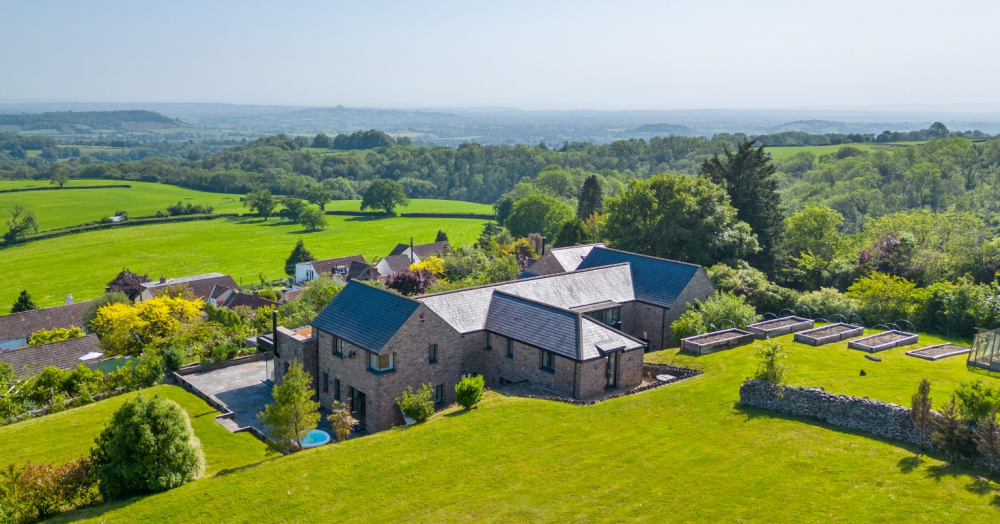
It is that feeling, more than any specification or square footage, that drives the search for a country home. But buying well in the countryside requires a different kind of due diligence to buying in a town or city, and the buyers who get it right are those who look past the romance and ask the right questions before they fall in love.
Start with connectivity, not just the view
The single biggest adjustment for buyers moving from urban or suburban life is connectivity, in every sense. Broadband speeds vary enormously in rural areas, and in some of the most beautiful corners of England they remain genuinely inadequate for modern working from home.
Before viewing a property seriously, check the available speeds independently rather than relying on estimates, and establish whether full fibre has reached the village or is on a confirmed rollout plan. Mobile signal is worth checking room by room, as the difference between one carrier and another can be significant in rural locations. These are not minor inconveniences; for a buyer intending to work from home even part of the week, they are deal-breakers or deal-makers.
Understand what you are heating and how
Country homes, particularly older or listed ones, are frequently off the gas grid. Oil-fired central heating remains common, which means budgeting for a tank, monitoring fuel prices, and arranging deliveries. Air source and ground source heat pumps are increasingly being retrofitted into rural properties and can transform running costs, but their suitability depends on insulation, radiator sizing and the age of the building.
Ask specifically about the heating system, the annual fuel costs the current owners can evidence, and whether the property has had any energy efficiency works carried out. A beautiful farmhouse with poor insulation and an ageing oil boiler carries a hidden cost that will surface quickly in the first winter.
Know the land and what comes with it
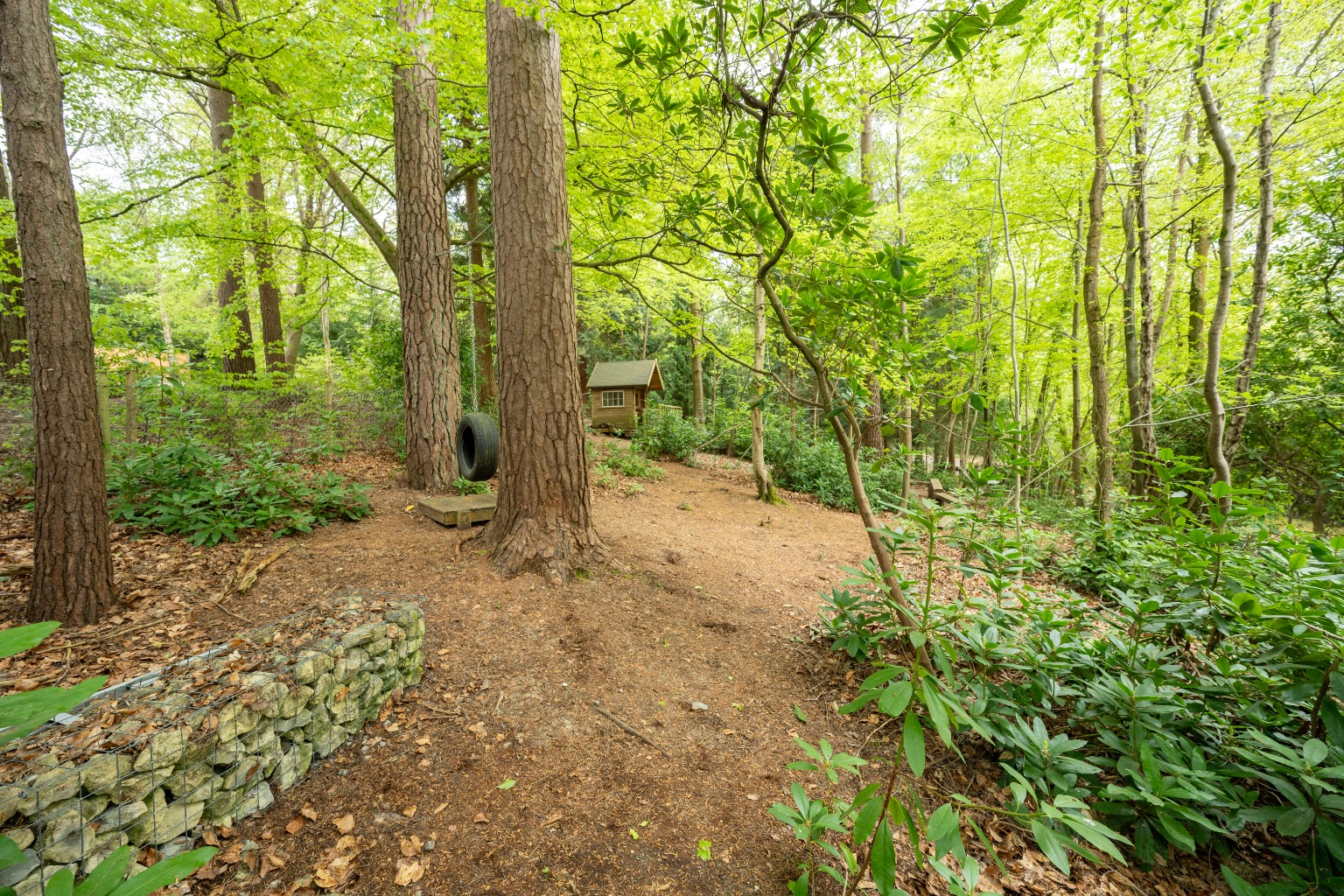
Gardens, paddocks, woodland and outbuildings are among the great appeals of country property, but each brings its own responsibilities. Find out whether any land is subject to agricultural tenancy, grazing agreements or rights of way that are not immediately obvious from a viewing. Check the boundaries carefully against the title plan, and establish who is responsible for maintaining hedges, fences and ditches.
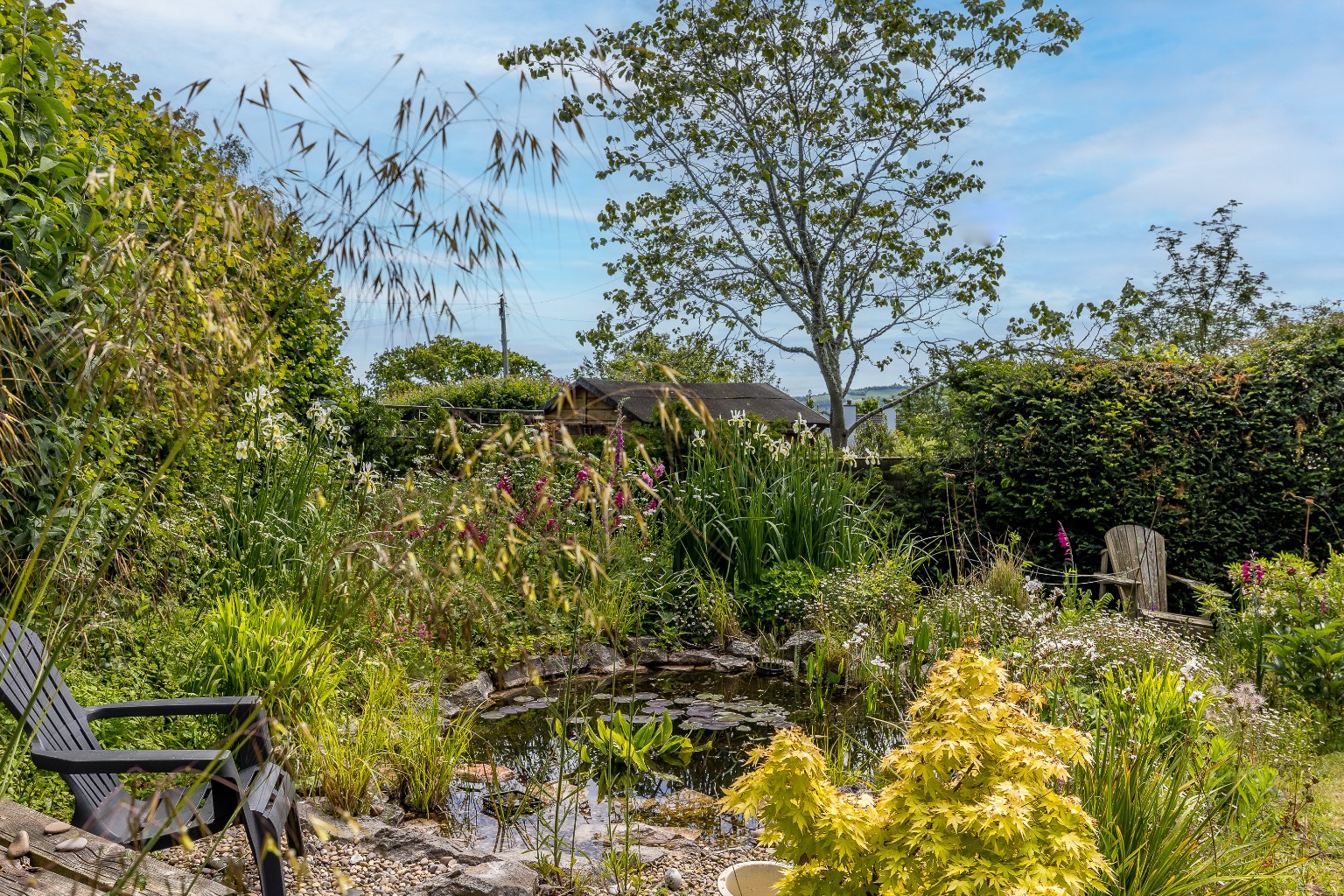
If there are outbuildings, understand their planning status: some will have permitted development rights, others may be tied to agricultural use. The potential to convert a barn or stable is often part of a buyer's vision, and it is worth taking early advice on what is realistic before it becomes part of your decision.
Factor in flood risk and water supply
Rural properties near rivers, in valleys or on low-lying ground warrant careful flood risk checks, and not only the basic Environment Agency map. A specialist flood risk assessment will give a more accurate picture, and your solicitor should raise this as standard. Water supply is another rural-specific consideration: some country properties rely on a private borehole or shared well rather than a mains connection. These arrangements are entirely manageable but require specific insurance, maintenance responsibilities and, in the case of shared supplies, a clear legal agreement with neighbours.
Think about the village as well as the house
The community around a country home matters more than many buyers initially appreciate. A village with a pub, a primary school, a shop and good transport links is a very different proposition to an isolated hamlet, and which suits you depends entirely on how you intend to live. Visit at different times, on a weekday as well as a weekend, and talk to people if you can.
The quietness that feels blissful on a sunny Saturday in August can feel very different on a dark Tuesday in January, and the best country buyers are honest with themselves about which version of rural life they are actually buying into.
Work with an agent who knows the market
Country house sales frequently take longer than urban ones, and the most desirable properties rarely appear on the major portals before they have been discreetly offered to known buyers. An agent with genuine rural reach and an active register of qualified buyers will give you access to that pipeline, whether you are selling or searching.
At By Design, we work across some of England's most sought-after countryside locations and understand what makes a country home genuinely special, and genuinely sellable, at every stage of the market.
Get in touch with us
First Name*
Last Name*
Mobile Phone*
Your Email Address*
Are you looking to*
Please enter message here*
Please confirm that it is okay for us to contact you about this information as well as products and services. (You will always be given the right to unsubscribe at any point in the future)*